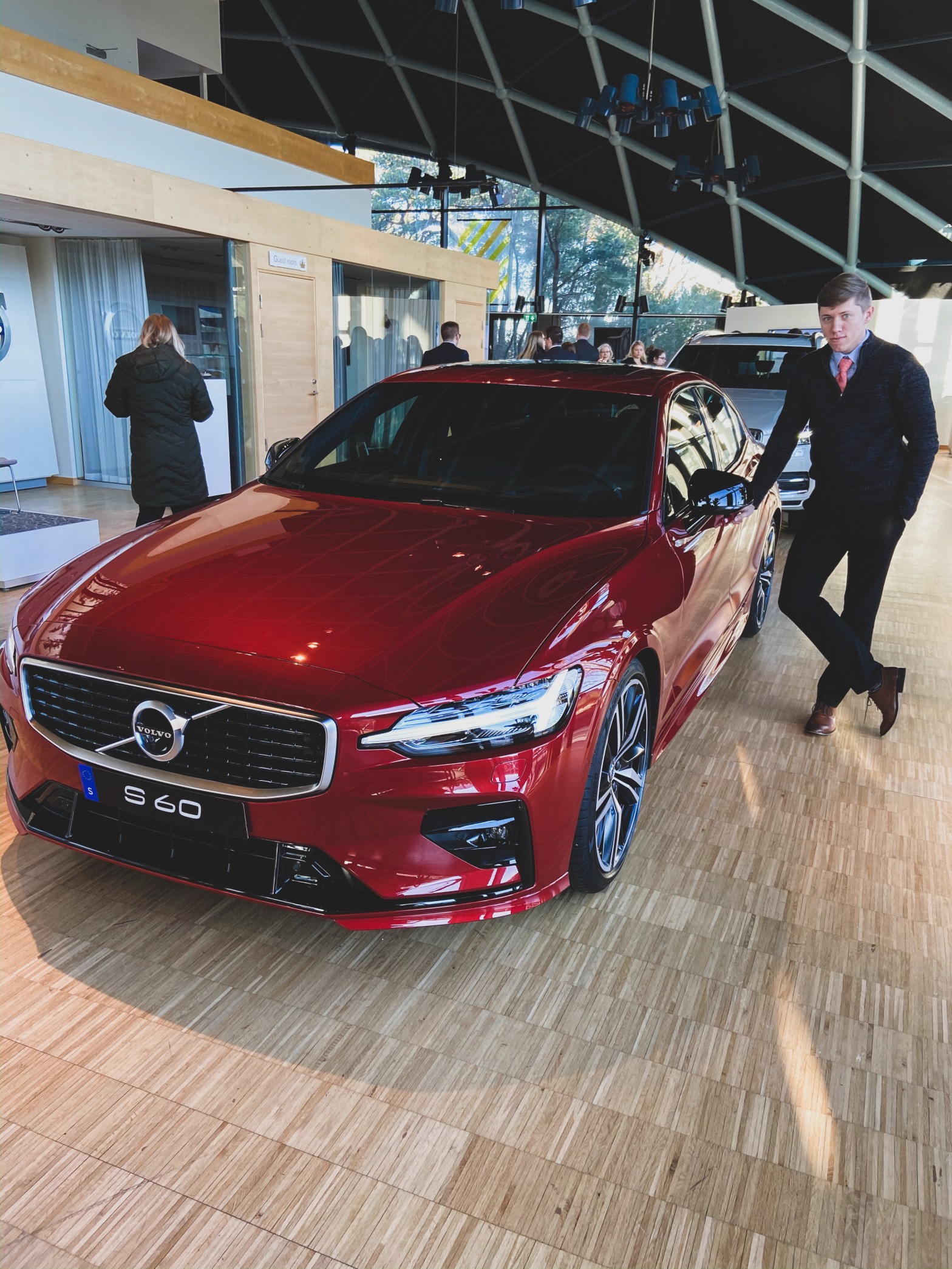
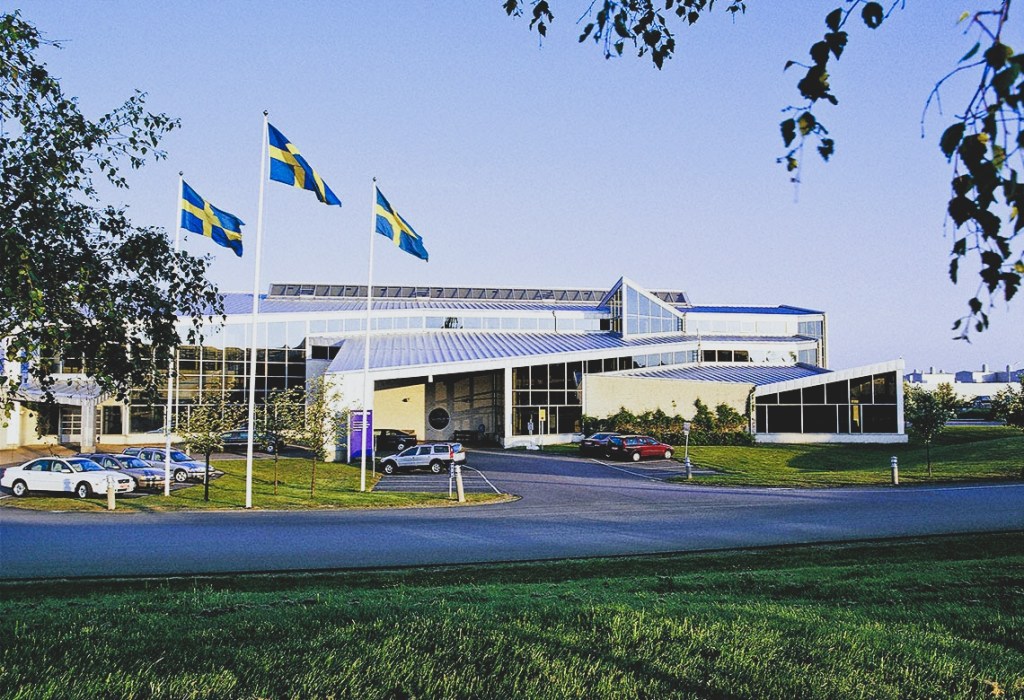
Volvo was founded in 1927 in Hisingen, Gothenburg. A company that started as a local car manufacturer is now a leader in the luxury car industry. With a 100,000 employees, production facilities in 18 countries, and over 350,000 cars sold every year they are one of the largest producers of commercial cars. Among many reasons that they are are so successful is their dedication to safety.
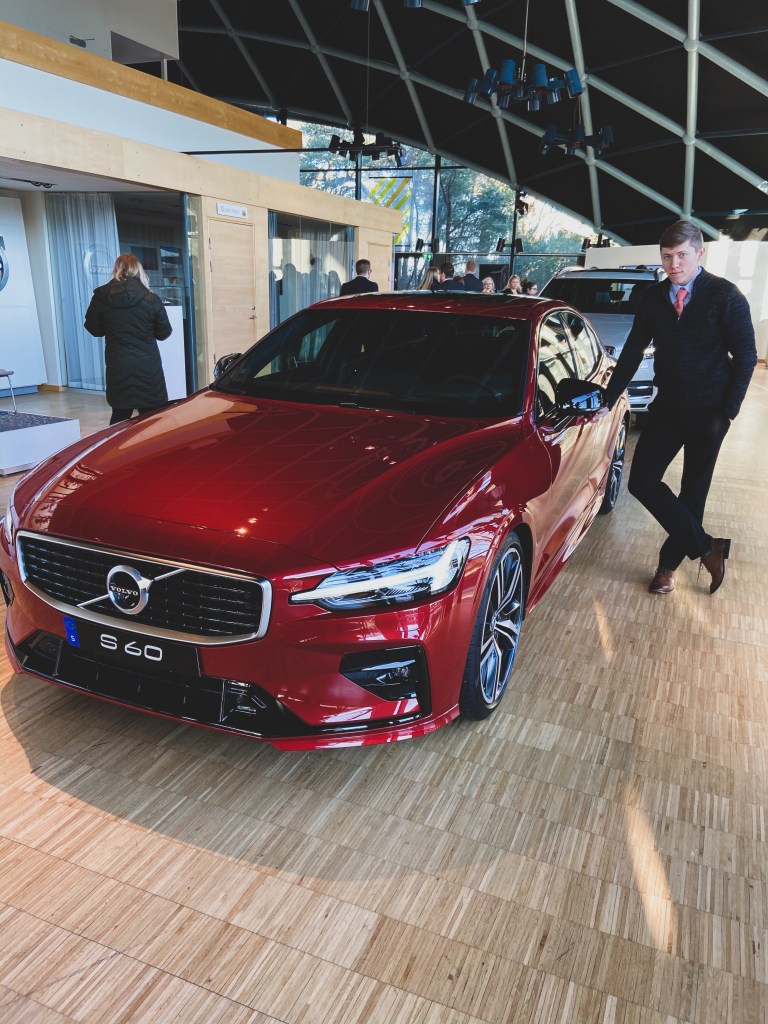
Volvo’s mission is that no one should be seriously injured or killed in a new Volvo car. They are leaders in safety and have inspired a variety of innovations including the three-point safety belt and the first booster cushion for children. Safety is top priority for Volvo. A part of their safety compliances are test crashes.
While visiting Volvo, our class sat in on a VIP viewing of one of their test crashes. The test crash was to be used for U.S. compliance regulations as well as Volvo’s additional regulations that they as a company have chosen to set as a standard. The car was set to travel at 25 mph and hit a 30 degree angle. Photo and video was not allowed, however, Volvo has plenty of cameras recording various angles of their crashes in order to further analyze the crashes.
The crash we watched is very similar to this one published by Volvo. Every model that is produced and sold in various countries must comply with different regulations. Volvo conducts 1-2 crash tests a day in order to ensure that they are in compliance.
Besides safety being their top concern, Volvo also focuses on sustainability. They have a mission to have 50% of their cars be electric by 2025. Their focus is not only on their individual customers but also the world. They currently produces plug-in hybrids, mild hybrids and are working on releasing pure electric cars.

After the crash test, we were invited on a personal tour of the manufacturing plant. Our tour was lead by Sylvia and Morgan. Sylvia is a lead auditor and BMS coordinator in vehicle hardware and Morgan is a PSCE Project Pre-Trim and MP at Volvo. They are married and met at Volvo. Both of them have worked there for over 10 years.

We were shown various steps of the complicated manufacturing process. From the assembly of the axles to the test drive out in the lot, everything was done in one area. One aspect that I found very interesting especially in contrast to SKF, was that all assembly jobs (for the most part) were being done by humans. At SKF there were many robots doing all the tasks as well as automated forklifts.

There were a few tasks being done by robots, such as the glueing of the windshields but other tasks were being done by hand. It was interesting to see all the skills that are required to assemble one car. They produce 60 cars every hour at this plant. The manufacturing plant runs at all hours Monday through Friday with the occasional Saturday’s depending on deadlines.
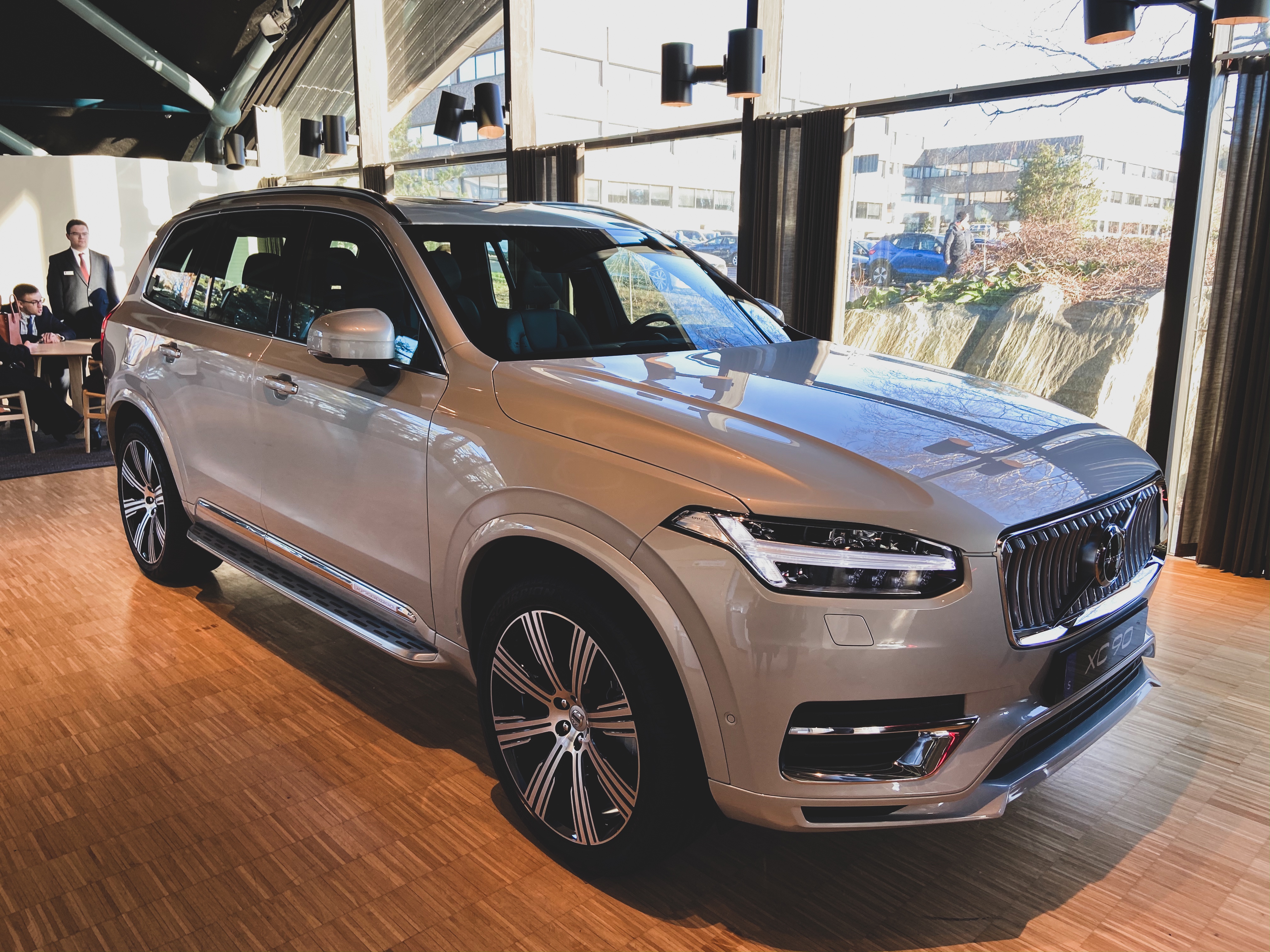
Seeing the crash test and the passion that all the employees had about their work was a great experience. It is no surprised that they are leaders in the industry and I am excited to see the future of their fully electric vehicles. The craftsmanship of their vehicles speak for themselves.
3 Takeaways
- I have expensive taste (I pointed out one of the most expensive models).
- I really want a rechargeable XC90 someday.
- We stop for production, production doesn’t stop for us.
 Leslye's Travels